Reviewing Sweet Valentine Wishes for Real Embroidery
As a designer who has spent countless hours staring at digitizing software and even more hours watching needles punch through fabric, I approach every new machine embroidery design with a mix of curiosity and skepticism. We have all been there: downloading a file that looks perfect on the screen but turns into a tangled mess of thread breaks and puckering once it hits the hoop. Today, I am taking a close look at Sweet Valentine Wishes, a digital asset categorized under Freebies and Graphics, to see if it holds up in a real-world production environment.
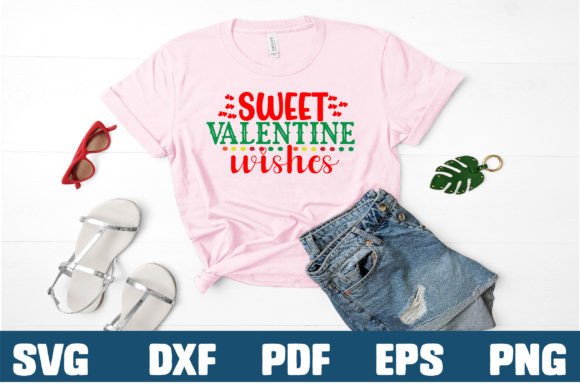
My first impression of Sweet Valentine Wishes is defined by its versatility rather than complexity. It does not scream for attention with excessive detail or impossible fine lines. Instead, it offers a clean, balanced layout that suggests warmth and affection without being overly cloying. For those of us running small shops or creating personalized gifts, this subtlety is often more valuable than flashiness. The mood it creates is gentle and inviting, making it an ideal candidate for projects where the sentiment matters as much as the aesthetic.
The Practical Application: A Tote Bag Case Study
To truly evaluate this design, I imagined a specific client request: a custom embroidered tote bag for a local boutique’s Valentine’s Day promotion. The client wanted something that felt handmade and special but could be produced efficiently. Sweet Valentine Wishes fit this brief naturally. Because the design relies on clear shapes and legible typography, it translates well to the textured surface of canvas or heavy cotton.
When planning this embroidery project, I considered how the design would interact with the fabric. Canvas has a distinct weave, and intricate details can get lost or cause the fabric to pucker if the stitch density is too high. Fortunately, the visual personality of Sweet Valentine Wishes suggests it was created with readability in mind. It does not appear to rely on microscopic satin stitches that might sink into the fabric pile. Instead, it seems suited for standard fill stitches and clean running stitches that maintain integrity on heavier materials.
Performance Across Different Products
Beyond tote bags, I evaluated how this graphic would perform on other common items in my workflow. For sweatshirt embroidery, the design needs to stand out against fuzzy fleece or French terry. The boldness of the lettering in Sweet Valentine Wishes suggests it would remain visible and crisp, avoiding the "muddy" look that plagues poorly digitized text on plush fabrics.
However, caution is required when moving to smaller or more delicate items. If you are considering this for baby embroidery on onesies, you must check the scale. While the design is charming, ensure that the smallest elements do not become too dense for thin knit fabrics. High stitch density on stretchy material can lead to distortion after washing. Similarly, for caps and hats, the curved surface presents a challenge. If the design includes wide, sweeping elements, they may distort on the front panel of a cap. I recommend testing a scaled-down version on a scrap piece of twill to see how the curvature affects the alignment.
For holiday embroidery on kitchen towels or aprons, the design shines. These items often undergo frequent washing, so the durability of the stitch-out is paramount. A design like Sweet Valentine Wishes, which likely avoids excessive jump stitches and fragile connections, should hold up well over time, maintaining the professional look that customers expect from a handmade product.
Navigating Technical Constraints
One critical aspect of reviewing any digital embroidery file is understanding what you are actually getting. According to the product description, your purchase includes a .zip file containing an SVG file (word by layer), a PNG at 300 dpi, an EPS file, a DXF file, and a JPG. It is vital to note that this is a Graphics package, not necessarily a pre-digitized embroidery file format like PES, DST, or JEF.
This distinction changes how you use Sweet Valentine Wishes. If you are an Etsy seller or craft business owner who does not own digitizing software, you cannot simply load these files into your embroidery machine. You will need to use the SVG or DXF files within a digitizing program to convert them into stitch data. This process gives you control over stitch types, allowing you to choose between satin stitch for borders or fill stitch for larger areas, but it requires technical skill. If you are not a digitizer, you must factor in the time and effort required to convert these graphics into a machine-readable embroidery file.
For those who do digitize, the layered SVG is a significant advantage. It allows you to isolate specific words or elements, giving you the flexibility to adjust colors or remove parts of the design to fit different hoop sizes. This modularity is excellent for creating variations for different products, such as shrinking the design for a patch or expanding it for a pillow cover.
Visual Appeal and Brand Consistency
In the world of commercial embroidery, consistency is key. Sweet Valentine Wishes offers a timeless aesthetic that does not feel tied to a specific trend year. This longevity is crucial for building brand trust. When customers see a clean, well-executed design, they associate that quality with your brand. Whether used for custom apparel or as part of a printable mockup for online listings, the design enhances the perceived value of the finished product.
The emotional resonance of the design also plays a role in buyer engagement. Valentine’s Day is an emotional holiday, and gifts are often chosen for their sentimental value. A design that conveys "sweet wishes" without being generic helps the recipient feel seen and appreciated. This emotional connection can drive higher engagement on social media and increase conversion rates for small shop products.
Essential Designer Notes for Best Results
Before you commit to producing a batch of items using Sweet Valentine Wishes, follow these practical steps:
- Test on Scrap Fabric: Always stitch out a test sample on the exact fabric you plan to use. Check for puckering, thread breaks, and registration issues.
- Check Thread Contrast: Use high-contrast thread colors for your test to clearly see the stitch path. Once satisfied, switch to your intended color palette.
- Verify Stabilizer: Choose the right stabilizer for your fabric. Cut-away stabilizer is often best for stretchy knits, while tear-away works for stable wovens.
- Review Licensing: Since this is listed under Freebies, confirm the specific license terms. Ensure you are allowed to use the converted embroidery design for commercial sales if you are selling finished items.
- Mockup in Black and White: Before stitching, view the design in black and white on your screen. This helps identify if any details are too thin or if the balance is off without the distraction of color.
In conclusion, Sweet Valentine Wishes is a solid addition to your library of design assets, provided you understand its nature as a graphic file requiring digitization. Its clean lines and heartfelt message make it a versatile choice for a wide range of personalized gift projects. With careful attention to fabric choice and stitch parameters, it can elevate your handmade offerings and delight your customers.